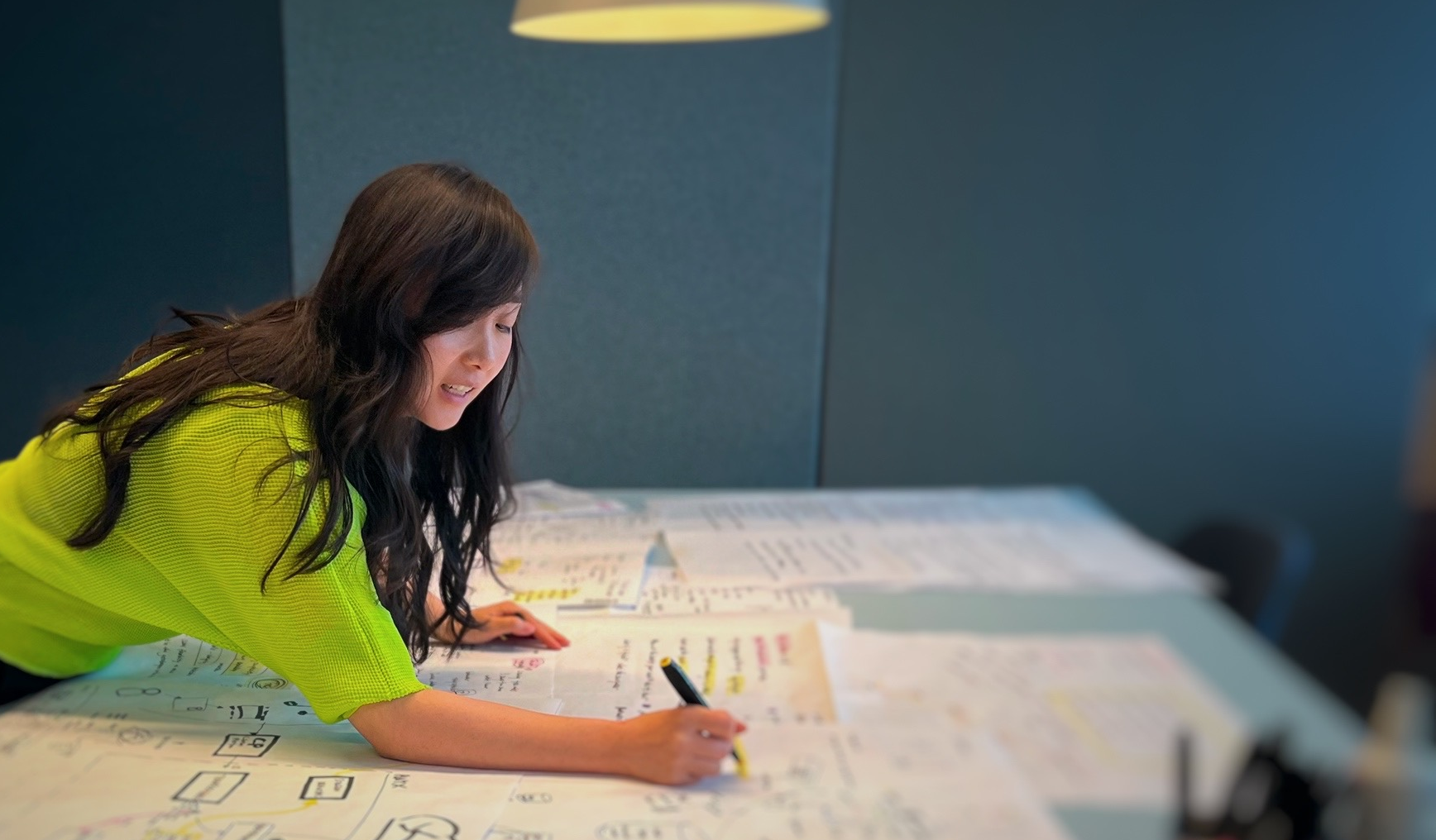
1. Complex problems become navigable
My specialty is turning complexity into clarity.
I’m comfortable operating in uncertainty, guided by a clear inner compass for which problems matter most and how to structure direction when none exists.
Over 15 years — including a decade in high-pressure startup environments before Spotify — I’ve developed strong product intuition and the ability to make decisive choices when stakes are high, and ambiguity is the norm.
With a deep understanding of human psychology, I design for cognitive ease, reducing mental load and helping people grasp complex systems quickly.
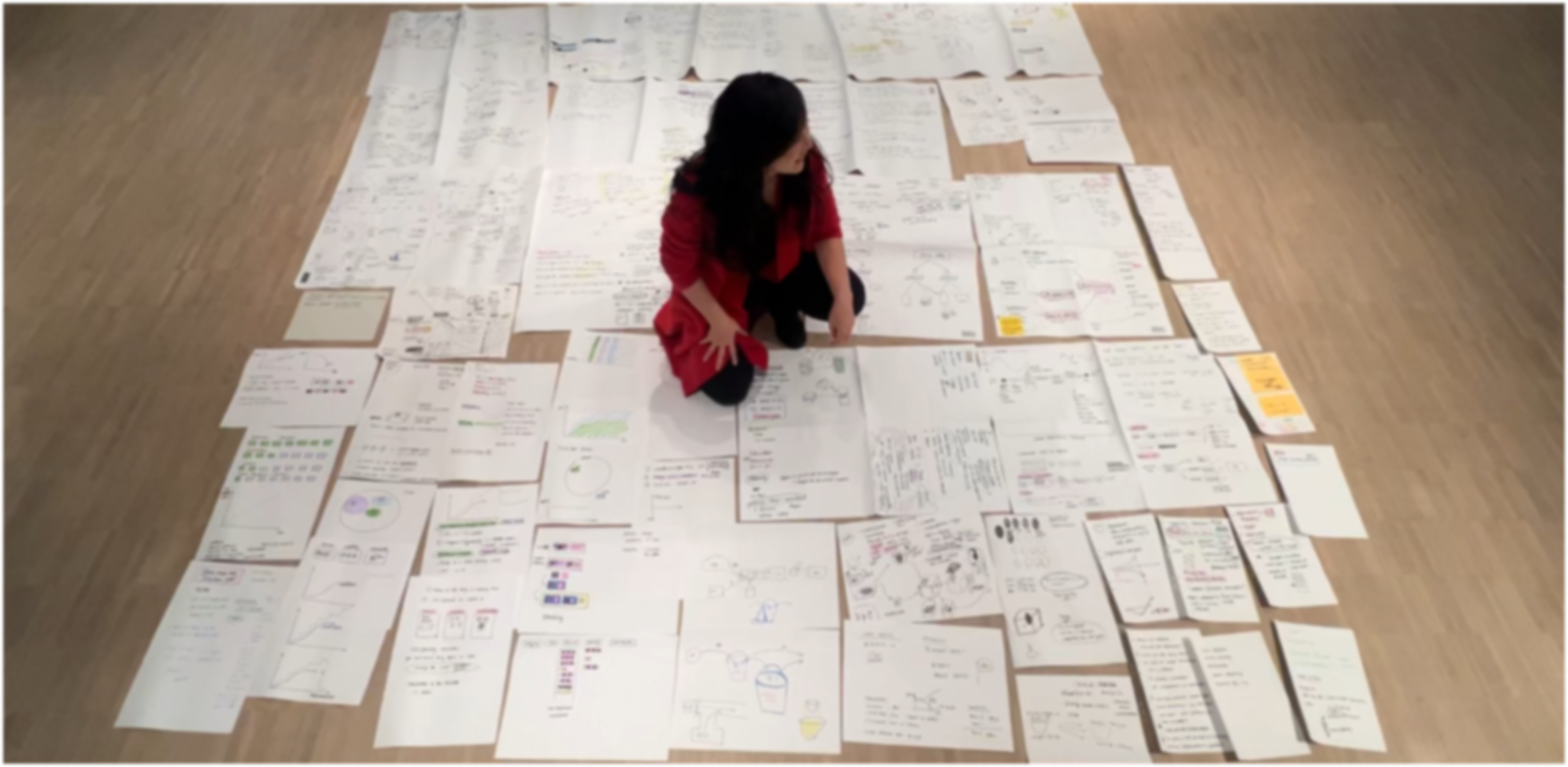
👆I turned the ground research from 20+ interviews about how the Spotify core tech stacks work into a 7-min infographics-based video
2. Products become lovable, and that love drives growth
After more than a decade in this industry with a solid track record, I have come to trust myself in always managing to navigate complex design challenges. Whether the problem is an app, a platform, or an explanatory system, I consistently move through ambiguity and find a clear, viable solution.
With strong psychological literacy, I design experiences that resonate with deeper human needs, while also giving stakeholders the language and reasoning to align behind decisions.
I don’t just design products, I design love relationships between humans and machines.
3. Strategic alignment happens faster
Attention has become the gatekeeper of understanding, and understanding is the prerequisite for any meaningful behavior change.
Coming from two years of working in highly competitive, attention-driven environments, I learned to design not just for usability, but for sustained, receptive attention.
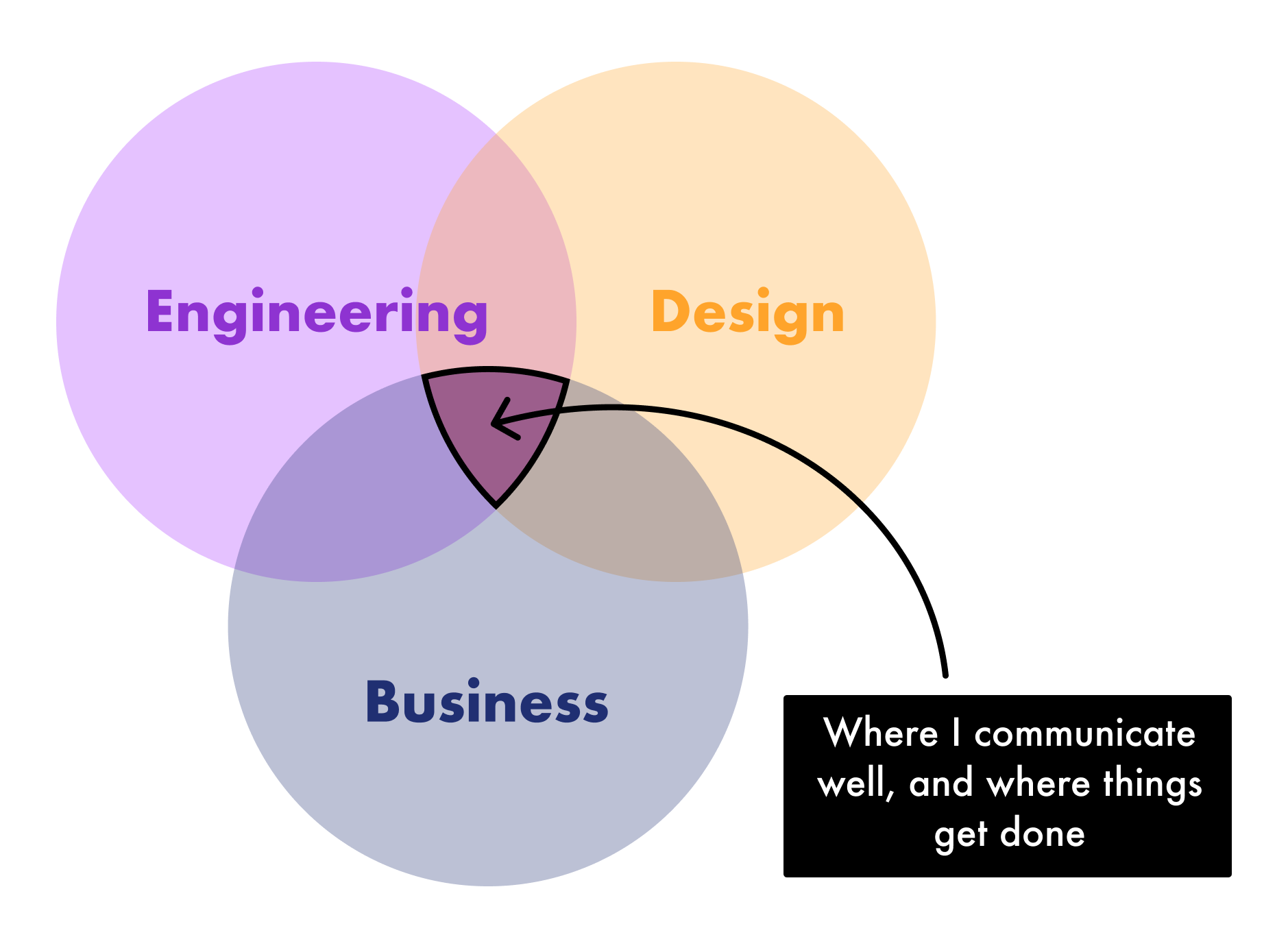
I help teams align around the same mental model more quickly. Engineers, product managers, and designers move in the same direction because the vision is easy to grasp, discuss, and act on.
This clarity accelerates decision-making and reduces coordination friction. That’s how real change happens.
4. Work feels calmer, even under pressure
I contribute to team maturity by fostering environments where people can give and receive feedback clearly and constructively.
I’ve facilitated workshops focused on improving communication and psychological safety — including designing a Spotify off-site event that was rated 4.94
With 15 years of psychological training, colleagues often describe me as someone who brings steadiness and resourcefulness. As AI changes our environments more quickly, this stability becomes even more valuable.
I’m comfortable operating in uncertainty and helping others find their footing as conditions evolve.
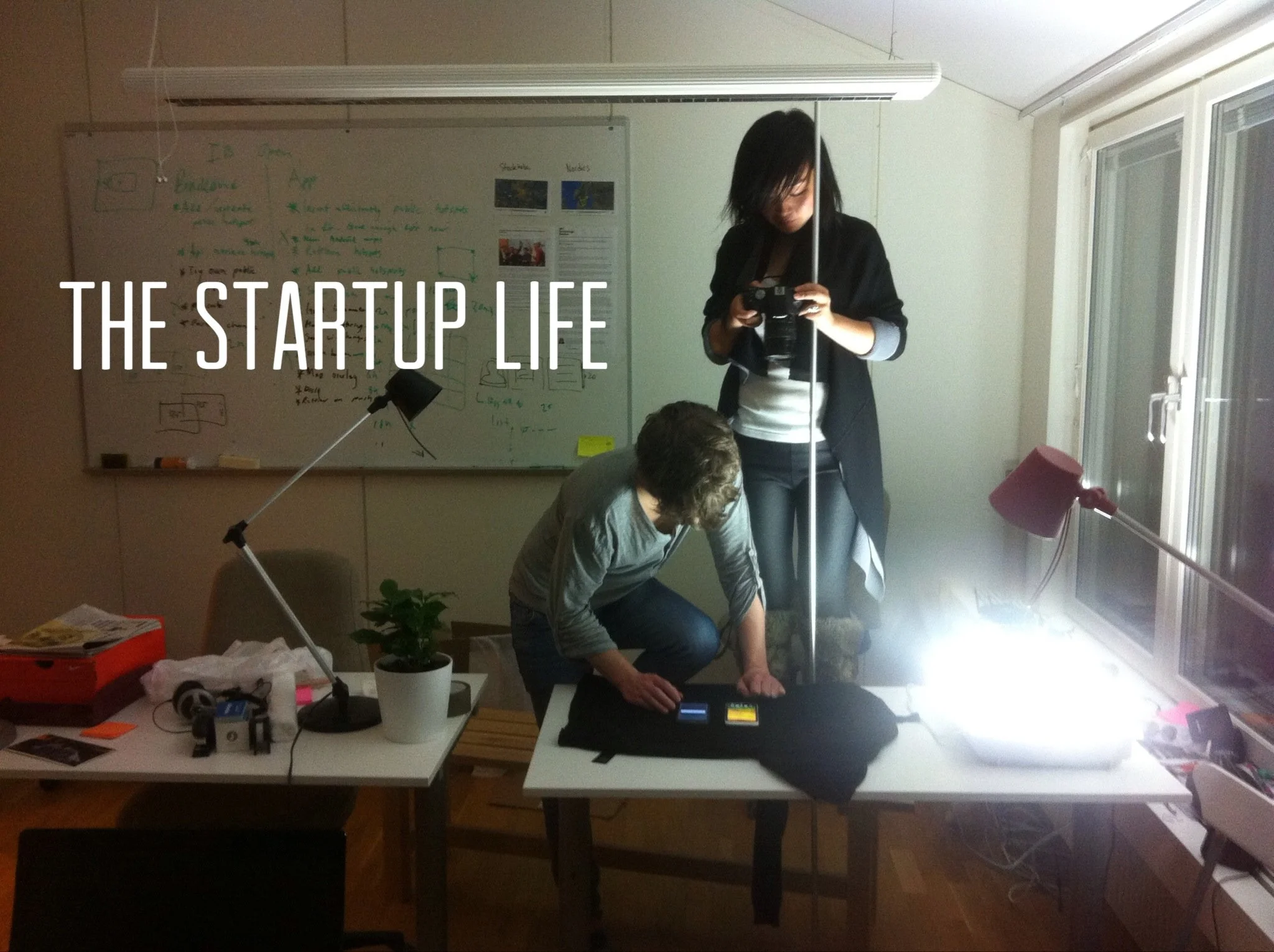
👆2013.02.27, While the rest of the team was in the U.S. attending Launch Festival (where Dropbox was first introduced), we were working past midnight in Sweden, racing to finish a demo video that didn’t even exist hours earlier. It was one of those startup moments where time disappears, and you simply do what needs to be done. That night, Instabridge won Best International Startup.
This app would go on to reach 250 million downloads worldwide, but for me, this photo captures something more foundational. Years of high-pressure, high-stakes work like this quietly shaped my steadiness, resourcefulness, and ability to stay clear-headed when things are uncertain and the clock is ticking.
This is where my resilience and intuition were trained — not in theory, but in the lived reality of repeatedly building something of scale from nothing.